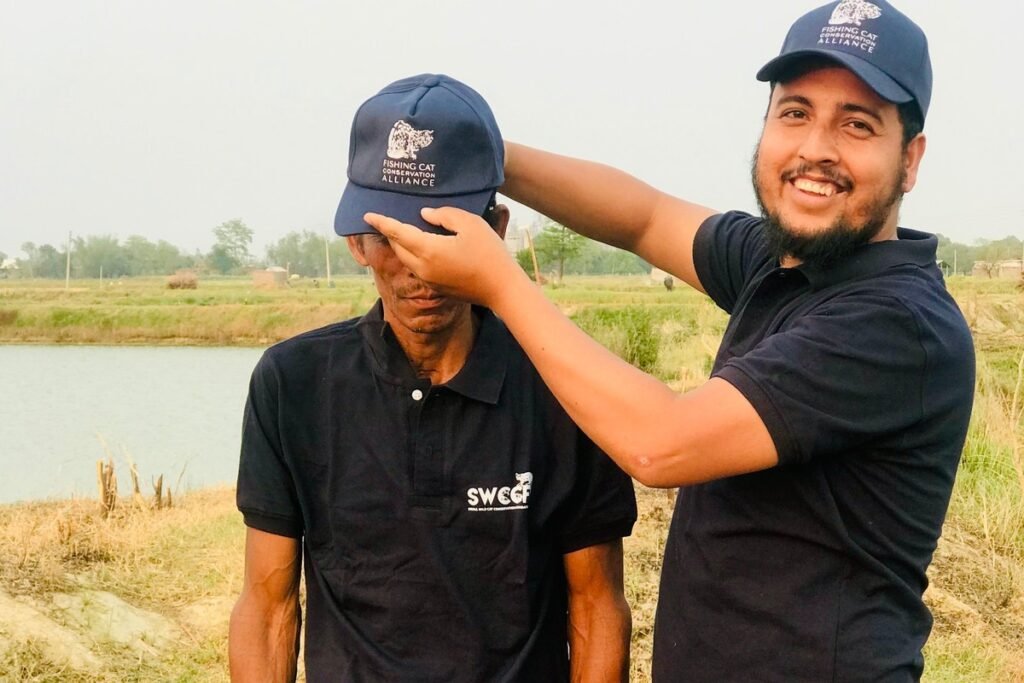

Protecting Fishing Cats.
Empowering Communities. 

Community-led conservation for fishing cats, wetlands and local communities in Nepal.

We turns conflict into coexistence by working with local communities to protect fishing cats and the wetlands they depend on. Through practical solutions that strengthen livelihoods, reduce threats, and restore habitats, we create a future where people and fishing cats can thrive together.

Our Work

Practical, community-led solutions that help people and fishing cats coexist.

Fish Bank Program

Working with fish farmers to reduce conflict, strengthen livelihoods and create shared funding for fishing cat conservation.

Women’s Handicraft Program

Empowering local women through traditional handicrafts while creating livelihoods and community funding for fishing cat conservation.

Fishing Cat Guardians

Engaging local communities to monitor fishing cats, raise awareness and protect their habitats.
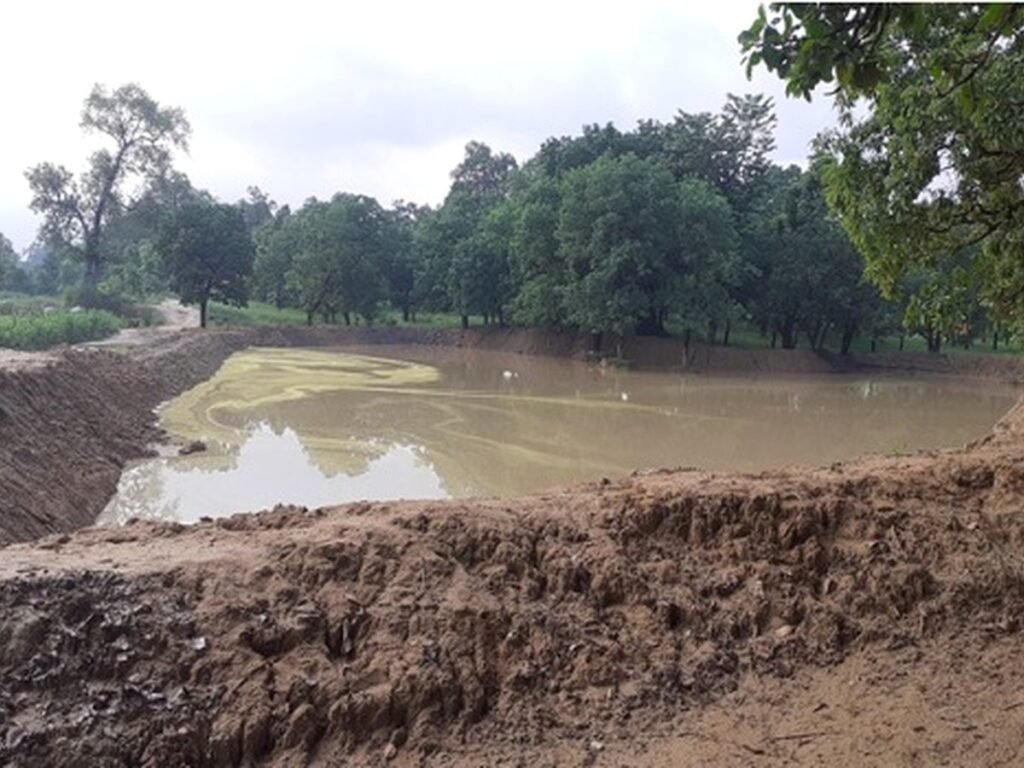
Wetland & Habitat Conservation

Restoring ponds, wetlands and surrounding habitats to create safer spaces for fishing cats and local wildlife.

Stories from the Field

Partners & Supporters

Conservation is stronger through collaboration.

Clear demonstrations are essential when a concept is difficult to understand because they turn abstract rules into observable steps. In education, a strong illustration should define the task, show the reasoning behind each decision, and make the final result easy to verify. A worked calculation becomes more instructive when the test dataset includes ordinary values as well as a boundary case, revealing how the method behaves under different conditions. The surrounding explanation should also distinguish the general rule from details that apply only to that particular scenario, so readers can adapt the lesson rather than copy it mechanically. Tables, brief annotations, and before-and-after comparisons often improve clarity, especially in technical subjects where small changes in inputs can produce different outcomes. Used carefully, practical demonstrations support independent thinking while keeping the original idea precise, transparent, and easy to revisit.

Good examples turn abstract instructions into decisions that readers can evaluate, which is why they remain central to teaching, product design, public policy, and technical documentation. A strong illustration does more than repeat a rule: it identifies the relevant conditions, shows the process in sequence, and makes clear why one outcome follows from another. In classroom assessment, a short test built around a realistic case measures whether students can transfer a principle to new facts rather than merely recall its definition. The surrounding explanation should then distinguish essential details from distracting ones, since learners often mistake familiar wording for genuine understanding. Comparisons are especially effective when they place a successful approach beside a plausible but flawed alternative and explain the difference without oversimplifying it. Used with restraint, concrete illustrations improve clarity while leaving enough complexity for readers to apply the underlying idea independently.